Posted 10/21
The Red Flags Aren't Just in the Romance Novel in Bite Size Terror's Book Club
One scandalous romance novel has a suburban reading circle completely hooked. Episode 8 of Tubi's horror anthology makes the next chapter worth questioning.
Flowers, family secrets, and one final message from beyond the grave. Episode 10 of Tubi's horror anthology proves that some goodbyes are better left buried.
Watch NowRoses are red. Violets are blue. Your mother's flower shop is preserving dead bodies, and now they're waiting for you. Well, this family reunion just got interesting.
Iris has returned to her late mother's floral taxidermy shop, and the business is more disturbing than your average neighborhood florist. Forget wedding bouquets and anniversary arrangements. Here, the dead are preserved in bloom, and the possibility of hearing from someone who's passed away feels a little too close for comfort.
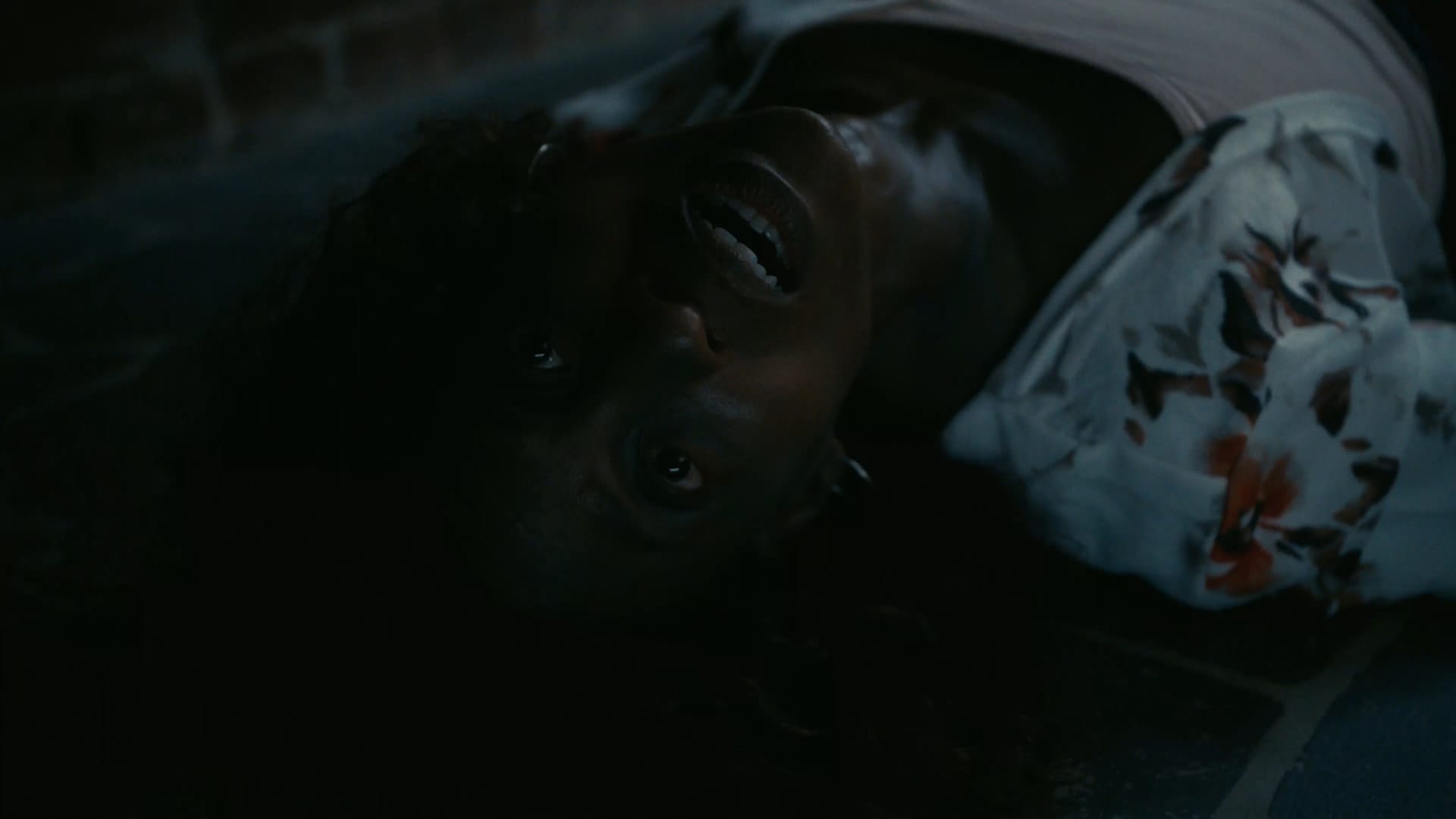
The final installment of Bite Size Terror, Tubi's Original horror anthology, has a particularly twisted idea of what it means to keep someone's memory alive. In “Floral Remains”, episode 10, Iris is desperate for one last sign from her estranged mother. Their complicated relationship has left her with questions that death hasn't answered, and the shop offers a macabre possibility she may find impossible to resist.
As we explored in our look at the anthology's ten standalone nightmares, Bite Size Terror has never been quite interested in letting ordinary decisions stay ordinary. Its finale gives the familiar act of honoring the dead a rather unsettling makeover, making one last addition to the nightmares waiting in Terror on Tubi.
One last note before we start digging around the flower shop: spoilers for “Floral Remains” are ahead. Please don't disturb the arrangements.
A dozen roses can say "I love you." White lilies can express sympathy. But what exactly do you send when the person you're trying to reach is already dead? Iris's family business might have an answer, although we're guessing it doesn't come with a complimentary greeting card.
Floral taxidermy gives the shop a disturbing relationship with death. Rather than allowing the natural process of decay to take its course, the business preserves what should eventually disappear, transforming remains into arrangements that are as beautiful as they are unsettling. It's the kind of place where the window display might stop you in your tracks, though getting a closer look could be a decision you immediately regret.
The visual contradiction is part of what makes the premise so effective. Flowers are associated with life, growth, and renewal, while taxidermy is concerned with preserving something after life has ended. Together, they create something that looks delicate and inviting until you remember exactly what you're admiring.
And imagine being the customer who asks whether the flowers are fresh.
Grief is complicated enough when you have a lifetime of happy memories to look back on. Throw in years of estrangement, and the things left unsaid can become just as difficult to carry as the loss itself.
Iris doesn't have the luxury of deciding whether she's ready to reconnect with her mother. Death has made that decision for her, leaving behind a relationship that can't be repaired through an apology, a difficult conversation, or even one last argument. There's no more waiting for the right moment to reach out. Whatever Iris hoped might happen between them now belongs to a future they won't get to share.
What makes “Floral Remains” especially intriguing is the possibility that getting an answer might not bring the relief Iris expects. An apology could arrive too late to change anything. An explanation might raise even more questions. And hearing from her mother again could force Iris to confront feelings she's spent years keeping at a distance.
Even the possibility of contact raises a question Iris may not be ready to answer: does she want to hear what her mother has to say, or does she need to hear something specific? Those are two very different wishes, especially when the person you're reaching for can no longer be expected to give you the response you've imagined.
Be careful what you wish for. The afterlife doesn't offer a customer satisfaction guarantee.
Flowers have been used for centuries to express feelings that are difficult to put into words, from love and celebration to mourning and remembrance. Writer-director Jasmine J. Johnson gives that familiar symbolism a macabre twist in “Floral Remains,” turning a traditional expression of grief into something that physically preserves the very thing it's supposed to help us release. The audience is invited to admire something that would normally inspire revulsion, complicating the instinctive divide between what we find attractive and what we find frightening.
Johnson's broader filmmaking offers another interesting way to look at the episode. Her work frequently blends magical realism, surrealism, and genre storytelling with humor to explore grief, discovery, and human resilience. Her short Inner Demons screened at SXSW, and she served as an executive producer on The Angry Black Girl and Her Monster. Instead of separating emotional storytelling from supernatural horror, her work offers a way to examine how the two can make each other more unsettling.
Courtney Taylor, known for Abbott Elementary, joins Jamela Asha and Susan Louise O'Connor in a story that asks its cast to navigate an unusual balance between intimate family drama and macabre fantasy. The premise creates room for moments of genuine emotional discomfort alongside the grotesque, allowing the horror to emerge from more than whatever might be lurking among the arrangements.
More articles to explore
One scandalous romance novel has a suburban reading circle completely hooked. Episode 8 of Tubi's horror anthology makes the next chapter worth questioning.
Your Halloween costume deserves better than a last-minute bedsheet. Find gothic glamour and pop-culture favorites in movies and shows streaming free on Tubi.
Seven psychological thrillers streaming free on Tubi show just how quickly a little authority can go to someone's head.