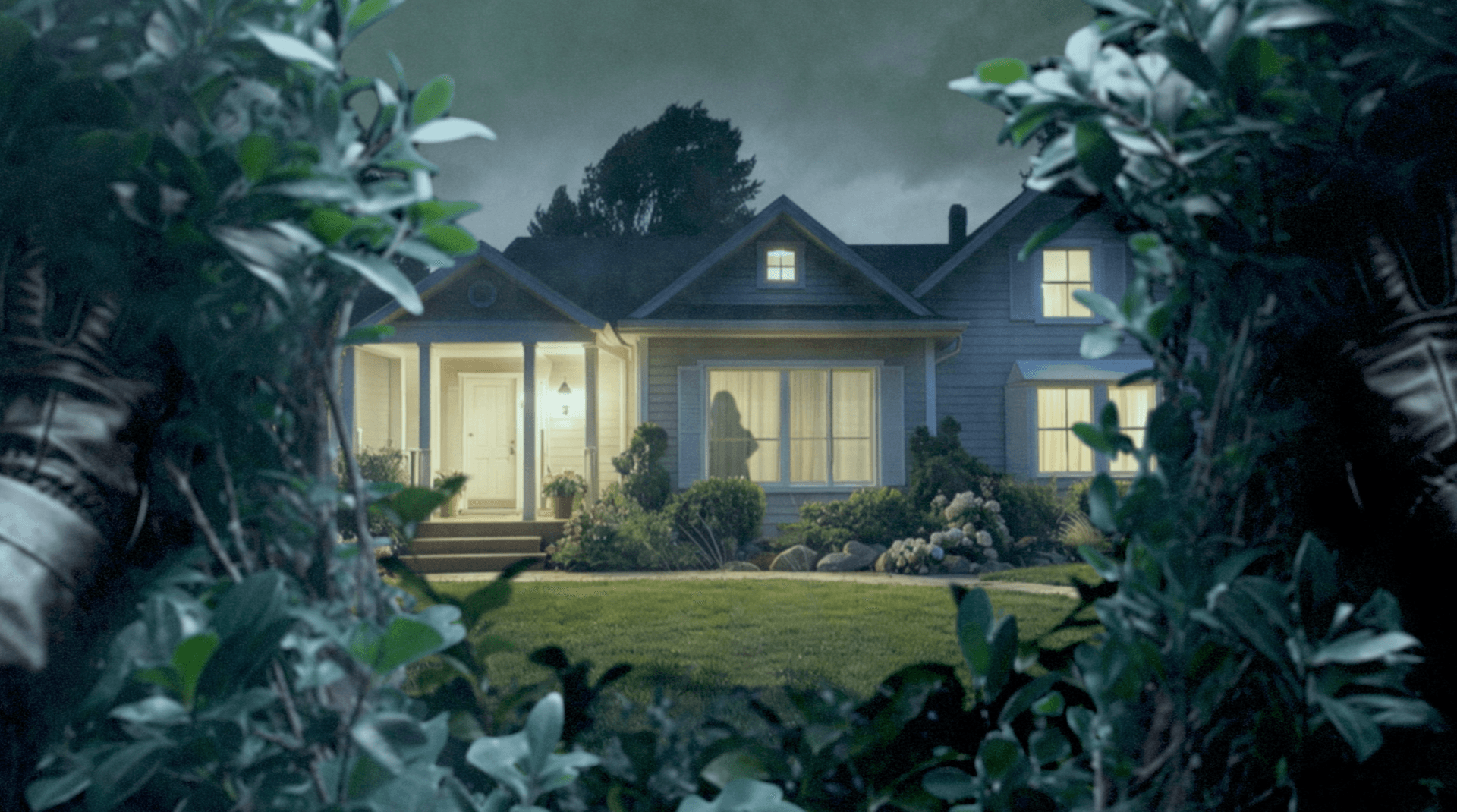
One Outbreak, Two Nightmares in The Crazies on Tubi
George A. Romero unleashed an outbreak on a small town in 1973. Thirty-seven years later, The Crazies returned to see how much worse the same nightmare could get.
Small towns aren't supposed to be good at keeping secrets. Everybody knows everybody. Somebody recognizes your car before you've even parked it. News can probably make it across town faster than you do. Horror hears all of that and sees opportunity.
Netflix's new limited series Below has brought another isolated community under siege to the screen, following a Newfoundland fishing town confronting a mysterious threat from the sea. Different monster, very different story, but the setup taps into a fear horror has been exploiting for decades: put enough pressure on a close-knit community and all that familiarity starts feeling a lot less comforting. George A. Romero had a particularly nasty answer back in 1973.
The Crazies turns Evans City, Pennsylvania, into ground zero for a biological nightmare after a military-developed virus contaminates the town's water supply. Residents begin behaving violently and unpredictably. The military arrives to contain the outbreak. Nobody has enough information. Everybody has guns.
Thirty-seven years later, director Breck Eisner returned to the premise with The Crazies, rebuilding Romero's outbreak as a leaner survival nightmare for a different generation of horror fans. Both versions are streaming free on Tubi, with Terror on Tubi ready whenever one compromised town somehow isn't enough.
One virus. Two movies. Evans City and Ogden Marsh never stood a chance.
The Crazies (1973): Everybody Is Losing Control
George A. Romero didn't need zombies to make civilization look fragile.
Released between Night of the Living Dead and Dawn of the Dead, the 1973 The Crazies begins after a military plane carrying a biological weapon crashes near a Pennsylvania town. The virus, codenamed Trixie, contaminates the water and leaves authorities scrambling to contain something the residents don't even know they've been exposed to.
Romero splits our attention between both sides of the quarantine. Firefighters David and Clank attempt to escape alongside David's pregnant girlfriend Judy, while military personnel and government officials try to understand how far Trixie has spread and whether anyone infected can be reliably identified.
Nobody gets the luxury of knowing exactly what they're dealing with. Soldiers arrive with protective suits, weapons, and orders but no clean solution. Scientists search for answers while communication breaks down. Residents don't know whom to trust. Even identifying infection becomes difficult when fear, resistance, and Trixie's effects can all produce behavior authorities interpret as dangerous.
Romero turns uncertainty into the real accelerant. Every attempt to restore order introduces another opportunity for confusion, bad information, or force to make the situation worse. The outbreak may start with a biological weapon, but the movie becomes just as interested in what people and institutions do when certainty disappears.
Nothing says “remain calm” quite like a town full of gas masks and assault rifles.
Available until
The Crazies (2010): Now You Know the People Changing
The remake gives the outbreak familiar faces.
Breck Eisner's The Crazies relocates the nightmare to Ogden Marsh, Iowa, where Sheriff David Dutton starts noticing something wrong with people he's probably seen around town countless times before. A resident walks onto a baseball field carrying a shotgun. Another horrific incident follows. The pattern becomes increasingly difficult to dismiss.
Timothy Olyphant gives David the instincts of someone accustomed to knowing his community, so the job that normally makes him useful such as recognizing people, reading situations, knowing what's out of place, becomes increasingly unreliable. Radha Mitchell plays his wife Judy, the town doctor, putting another person trained to understand the community in a situation where familiar symptoms and familiar faces stop providing easy answers.
Eisner makes the infected more sustained physical threats without erasing the people they used to be. Someone can remain recognizable enough to trigger hesitation while behaving differently enough to make that hesitation dangerous. The result is a nastier version of knowing your neighbors.
Available until